Modded Ipod Classic: Medium is the Message
Click here to add text.

"We’ve discussed AT&T's paperwork maze and T-Mobile's time limits. Now the good news: Verizon. This is the safest used phone you can find. Why? Its unlock policy is primarily automatic due to a deal with the FCC.
The lock isn’t about payment; it’s a simple 60-day anti-fraud time-out. If you buy a Verizon phone older than 60 days, you're in good shape. This guide shows you the key check to make before buying. The only thing defeating this hack is fraud.
"Skip calling customer service or waiting for a paid-off signal. Here’s the simple, time-based rule:
"Since the lock is automatic, your goal is to confirm the phone is older than 60 days and clean.
"It’s rare, but if the phone is older than 60 days and shows a 'SIM Not Supported' error, here’s what to do:
"So, you got an old T-Mobile device for [my backup phone / my kid / the only one I could afford]. Good score! Now, you've got that carrier lock sticking around, right? It's annoying. That lock is just a little digital barrier they put up, even after the phone is fully paid off. It limits you to T-Mobile's network, and that's just a waste.
This isn't complicated. Think of this guide as me walking you through the T-Mobile rules step-by-step over a cup of coffee. We're going to use simple knowledge to get T-Mobile to flip that switch, even if it means paying their standard unlock fee. Now officially T-Mobile says there is no fee, my experience suggests someone certainly told me a 25 fee. YMMV"
"Before we even think about calling them, T-Mobile has two simple time rules. You have to meet one of these for them to even talk to you about the unlock:
Key Knowledge Hack: T-Mobile is pretty good about processing unlocks automatically after 40 days, but if it doesn't happen, you need to know how to nudge them."
"If your phone has met the time rule and is paid off, but is still locked, it's time to make a request. We’re not fighting; we're just reminding the system it missed a step.
"Once T-Mobile confirms they've processed the unlock, you have one final step. The phone needs to talk to Apple to finalize the change. Make sure of this, I called the Customer Service Number and chatted but here is the official website
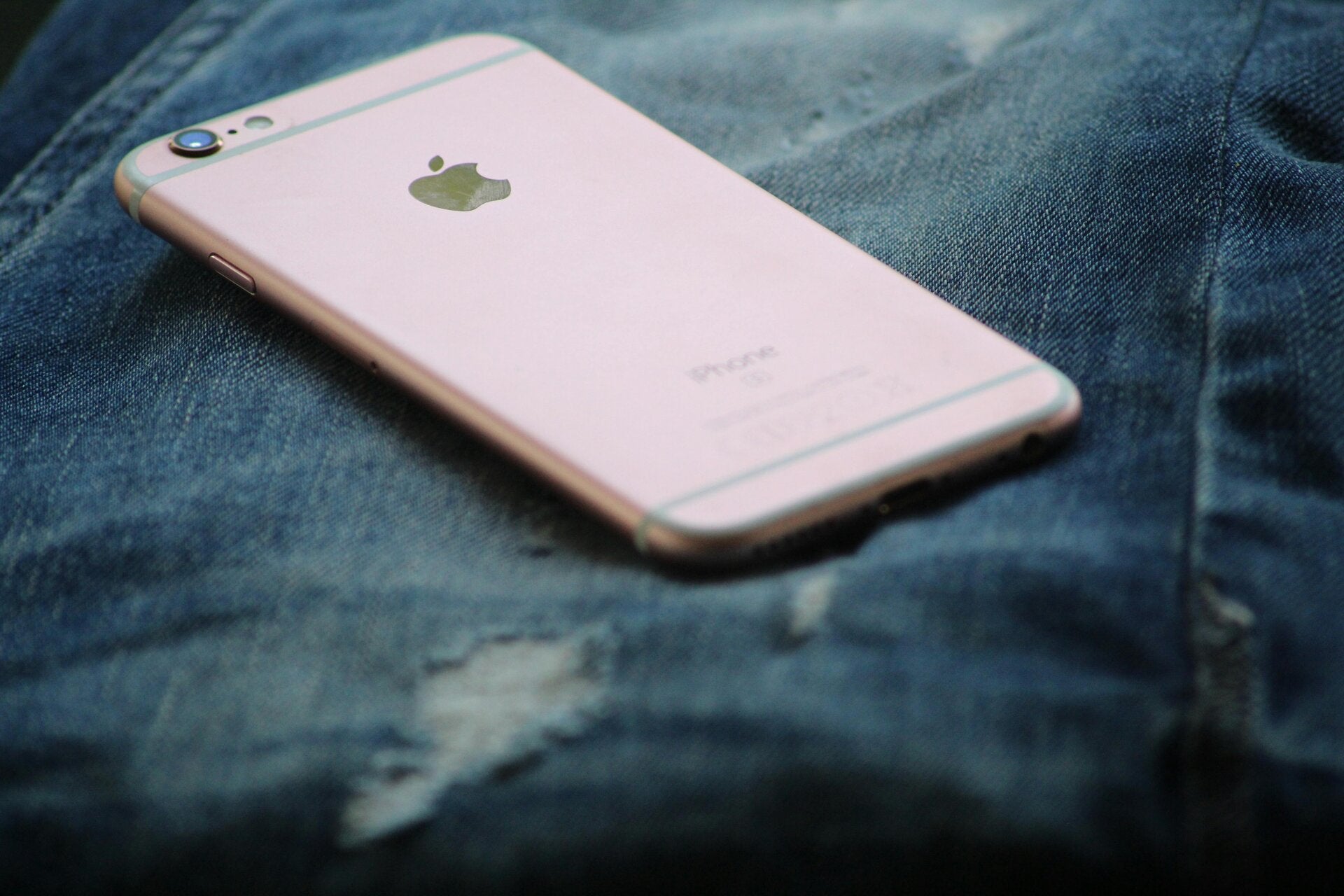
Here are some providers that support iPhones:
To find accurate information for your area and check if your iPhone is compatible:
National Verifier, if one is in a shared living space you have to be approved directly by the national verifier as some providers will simply exclude a address that already has a Lifeline Device issued to that address. Some services are all in one, TruConnect is all in one, Assurance is not. Click this link this opens the National Verifier portal.

Hey there. I know trying to figure out which "free" phone plan to go with feels like navigating a maze, but trust me, it's easier than it looks. We're talking about the Lifeline program here—a federal benefit that can be a real game-changer.
Look at the deals, and Assurance Wireless stands out as a top contender for sheer data with its 10GB standard plan. But here’s the rub: they make it difficult to use your own iPhone.
Contrast that with TruConnect. While their standard 4.5GB data isn't as high, they are much friendlier to iPhone users—both with BYOP and sometimes offering them as part of their free device selection.
This is the quiet wisdom: the best data deal may not be the best plan for the client. You have to know if they need a free iPhone, want to use their current iPhone, or just need the most data possible.
The system works in two distinct steps:
You Qualify: You must first be approved based on income or participation in assistance programs like SNAP or Medicaid.
Your Zip Code Sets the Board: Your specific address determines which companies’ networks are available to you. Your service package and choice of providers are state and location-dependent.
That is a perfect way to frame the data-for-dollar value. Assurance Wireless's upgrade plan is clearly the champion when it comes to maximizing high-speed data for the lowest possible price point.
Here is the revised list, emphasizing Assurance Wireless's low-cost data leadership:
Provider: Assurance Wireless
Plan Details: Free plan: 10GB data, unlimited talk/text. Low-Cost Data Winner: Upgrade to 15GB for only $1/month ($10/year).
Notes/Features: Drawback: Bring Your Own Phone (BYOP) is often restrictive with iPhones.
Provider: AirTalk Wireless
Plan Details: Free plan: 5–15GB data, unlimited talk/text.
Notes/Features: Free Smartphone (iPhone/Samsung options), unlimited international calling.
Provider: TruConnect
Plan Details: Free plan: Up to 4.5GB data (6GB in CA), unlimited talk/text.
Notes/Features: Works well with iPhones (BYOP/Free Phone), Unlimited international calling, Free SIM.
Provider: Consumer Cellular
Plan Details: Lifeline is a discount ($9.25/month max) applied to their regular plans; they do not offer a separate, free Lifeline plan.
Notes/Features: Discount model; best for clients seeking to lower the cost of a premium plan.
Check Eligibility: Do this first.
Check Local Benefits: Use your exact zip code to confirm the data amounts and phone availability.
The only way to cut through the noise and get the exact deal for your zip code is to use the official tool:
Service Finder: https://cnm.universalservice.org/
Company List: https://www.lifelinesupport.org/companies-near-me/


New evidence suggests e-cigarettes are a powerful tool for achieving a truly healthy, clean, smoke-free life, cutting through the political noise surrounding cessation research.
For decades, millions of smokers have struggled to achieve a clean break from cigarettes. The grim reality is that how many people quit smoking each year remains desperately low. Traditional unassisted methods, often called quitting smoking cold turkey, fail to address the core addiction. The historical success rate of quitting smoking cold turkey is often cited in the single digits, making it clear that relying solely on willpower is ineffective. The true dangers of quitting smoking cold turkey lie in the overwhelming withdrawal symptoms (anxiety, irritability, intense cravings) that cause near-immediate relapse, ensuring that what percentage of smokers quit successfully remains tragically low (around 8.8% annually).
However, a growing body of evidence—supported by major public health bodies in the UK—suggests that nicotine vaping offers a healthy and effective path forward. It's time to evaluate the science without the influence of conflicting agendas.
Recent comprehensive reviews, such as one published in the Journal of Multidisciplinary Healthcare (Ashour, 2023), indicate that when evaluated as a practical therapeutic approach, e-cigarettes are a highly effective tool for smokers seeking to quit.
Vaping has been shown in high-certainty evidence reviews (e.g., Cochrane) to be more effective than traditional Nicotine Replacement Therapies (NRT). [NIH Study Link Citation: Co-Cr Review, 2024] For comparison, the success rate of quitting smoking with the patch or gum typically hovers around 6–10%. Vaping often nearly doubles this rate. For every 100 people using traditional NRT, an estimated 8 to 12 people could achieve a clean cessation outcome using modern nicotine e-cigarettes. This performance gap strongly confirms the effectiveness of the modern vapor delivery method.
E-cigarettes offer a profoundly cleaner alternative to combustible tobacco. Traditional smoking involves burning tobacco, releasing thousands of toxins, including tar and carbon monoxide, which cause almost all smoking-related disease. By contrast, e-cigarettes heat a liquid, exposing users to a tiny fraction of the risk. Switching completely from smoking to vaping is recognized as a massive, positive step toward a healthy life.
Despite mounting evidence supporting vaping as a cessation aid, the public remains confused by contradictory reports claiming that vaping hinders quitting. We must critically examine the strong possibility that political agendas are at play, skewing public perception and research interpretation.
One major division is between "harm reduction" proponents (who support switching from smoking to vaping) and "tobacco control fundamentalists" (who oppose inhaling anything at all). This latter "anti-inhaling" perspective often dominates policy and media coverage, prioritizing the absolute prohibition of all nicotine products over the pragmatic goal of saving smokers' lives now. This bias can lead to studies that:
Over-Generalize: Fail to distinguish between daily vapers (who are most likely to quit smoking) and occasional vapers.
Misinterpret Dual Use: Studies may incorrectly label dual users (who smoke less and vape) as "failures," despite achieving massive harm reduction.
Focus on Youth Uplift: Policies primarily focused on preventing youth uptake inadvertently make it harder for desperate adults to access the most effective cessation tool available outside of prescription medicine.
Furthermore, while some organizations may be driven by ideological opposition, the tobacco industry itself has a vested interest in maintaining confusion. By keeping the debate polarized, traditional tobacco companies continue to sell the most profitable and most harmful product: combustible cigarettes. Public messaging that confuses consumers about the relative harm of vaping versus smoking is a subtle win for the pro-tobacco status quo.
The path to a healthy and clean future is clear: achieving nicotine-free status is the ultimate goal, but for the millions of smokers who find traditional NRT fails, vaping provides a proven, substantially less harmful bridge.
The evidence is powerful: e-cigarettes are not merely "less bad," they are a demonstrably effective smoking cessation tool that offers a cleaner life right now. Readers should feel empowered by this truth.
Action: If you are a smoker, consult a healthcare provider or a specialist cessation service about using modern nicotine e-cigarettes as your primary method for achieving your clean break. Don't let confusing, politically influenced narratives prevent you from pursuing a healthier future.
NIH Study Link Citation: NIH-supported systematic reviews, such as those conducted by Cochrane, find "high certainty evidence that nicotine e-cigarettes are more effective than nicotine replacement therapy (NRT) in helping people quit smoking." (See: https://www.cochrane.org/evidence/CD010216_can-electronic-cigarettes-help-people-stop-smoking-and-do-they-have-any-unwanted-effects-when-used)
Nov 19, 2025 1:00 PM
Click here to add text.
Nov 15, 2025 11:15 AM
Analysis of real-world use suggests vaping may hinder, not help, smokers trying to quit traditional cigarettes.
When exploring colleges, understanding their waiver policies can play a crucial role in your decision-making process. Specifically, the FSH-1 waiver policy is designed to assist students in reducing financial burdens by waiving certain fees under specific circumstances. Many colleges offer this waiver to eligible students, but the requirements and availability vary from institution to institution. Typically, the FSH-1 waiver is granted to students who demonstrate financial need, meet academic eligibility criteria, or fall under special categories like military families or first-generation college students. Before applying, it’s important to review each college’s policy to ensure you meet the necessary conditions and submit the required documentation. By doing so, you can make the most of this valuable opportunity to manage your education costs more effectively. Useful tips, background information, or a behind-the-scenes look: you'll find it all here. We regularly post new articles, so keep an eye on the blog for updates and new insights.


Nov 14, 2025 9:41 AM
For students facing housing instability, the dream of a college degree can often feel out of reach, not because of a lack of determination, but because of financial barriers. Paying tuition and fees when simply securing a safe place to sleep is a daily struggle is nearly impossible.



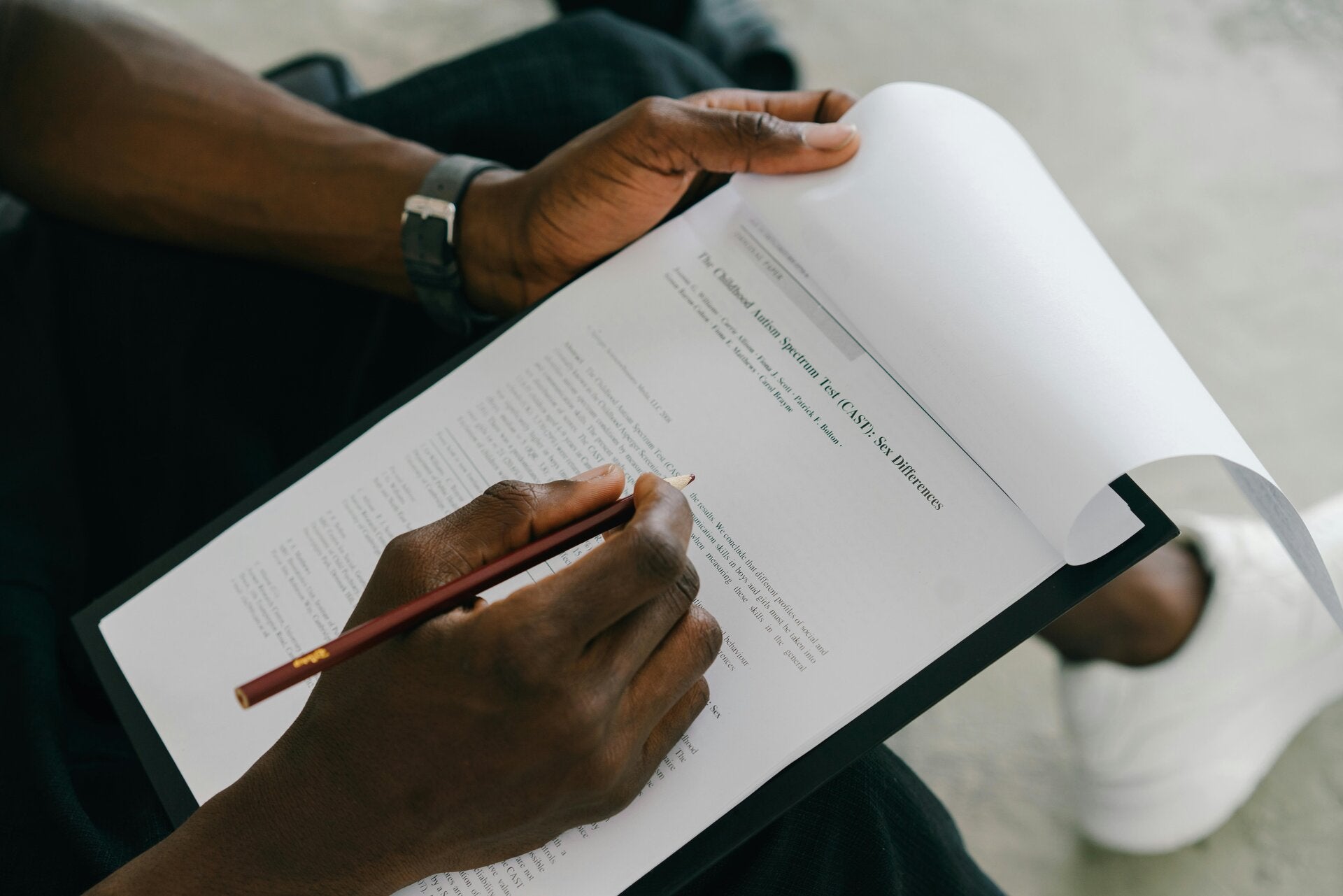
The Verification Process rejects the application do to address. Certification alone doesn't issue the phone you need both events. Verifier approval and provider acceptance. The lifeline provider that does offer a direct connection from providing service to appealing rejection by applying at the National Verifier website. The National Verifier upon approval, sends the approval to Tru Connect who then either sends the phone or sim card to the beneficiary of the service.
You are correct that both National Verifier (NV) approval and a service provider's acceptance are necessary to receive a phone. The key to avoiding an address-related rejection when living in a shelter is to work directly with a Lifeline provider that uses the National Verifier's API (Application Programming Interface) or involves case workers who understand the protocol for multi-household addresses.
Here's how to navigate this process:
Use the "Companies Near Me" tool on the Lifeline Support website to find a list of all Lifeline service providers in your specific Florida ZIP code. You can then contact a few of these providers (e.g., SafeLink, Assurance Wireless, TAG Mobile, enTouch Wireless) and ask specifically about their process for assisting homeless individuals or residents of a shelter with application submission and preventing address rejections.
Local Homeless Resources
The staff at local Continuum of Care (CoC) lead agencies can also be invaluable resources. They often have established relationships with specific Lifeline providers who are experienced in serving individuals experiencing homelessness.
For central Florida (Orange, Osceola, Seminole counties), you can contact the Homeless Services Network of Central Florida at 211 or (407) 893-0133. For resources in other Florida counties, you can use the Florida DCF Homelessness Resources page to find the local CoC lead agency for your area.
Nov 5, 2025 12:43 PM
My best hex bar deadlift is 440 lbs—a verifiable strength that didn't come from aggression or willpower. It came from one simple, reproducible system: perfect form. If you want a 440-pound life, you need the same flawless form in your daily systems.
Nov 1, 2025 12:12 PM
Oct 20, 2025 5:19 AM
During that time—when being homeless was a state of psychological detachment, not just physical deprivation—the external world offered no reason for hope. The concept of faith in the Divine was not a Sunday morning pleasantry; it was the sole remaining asset with verifiable, tangible value. Every other resource—money, housing, health, even the desire to live—was either exhausted or actively being rejected by the system of detachment. The only reason to break the inertia, to move out from under the bridge, was a decision rooted in the certainty that there was a purposeful future, a future affirmed by choosing Christ as the cornerstone.
Oct 20, 2025 4:57 AM
Nov 12, 2025 10:50 AM
Welcome to the homelessdreams.org blog, where we share stories, insights, and opportunities to empower you, no matter your circumstances. From navigating FSH-1 and CDL training to pursuing college and cultivating time wealth, we're here to inspire action and offer support. Join us on this journey!

Follow my journey from sleeping under a bridge to achieving a 3.0 GPA at Valencia College. This blog aims to inspire social workers, students, and peer support specialists with real-life examples of overcoming adversity and seizing educational opportunities. Learn about resources, strategies, and the mindset needed to transform your life.

Explore blog posts covering key topics such as FSH-1 resources, CDL license training, attending college, homeschooling, time wealth strategies, publishing insights, and health tips. Our goal is to inform you of available opportunities and empower you to take action towards becoming college-educated and achieving your dreams, regardless of your past.

If you find value in our content and want to support our mission of empowering individuals through knowledge and opportunity, consider buying us a coffee. Your support helps us continue creating valuable content and resources for our community.